

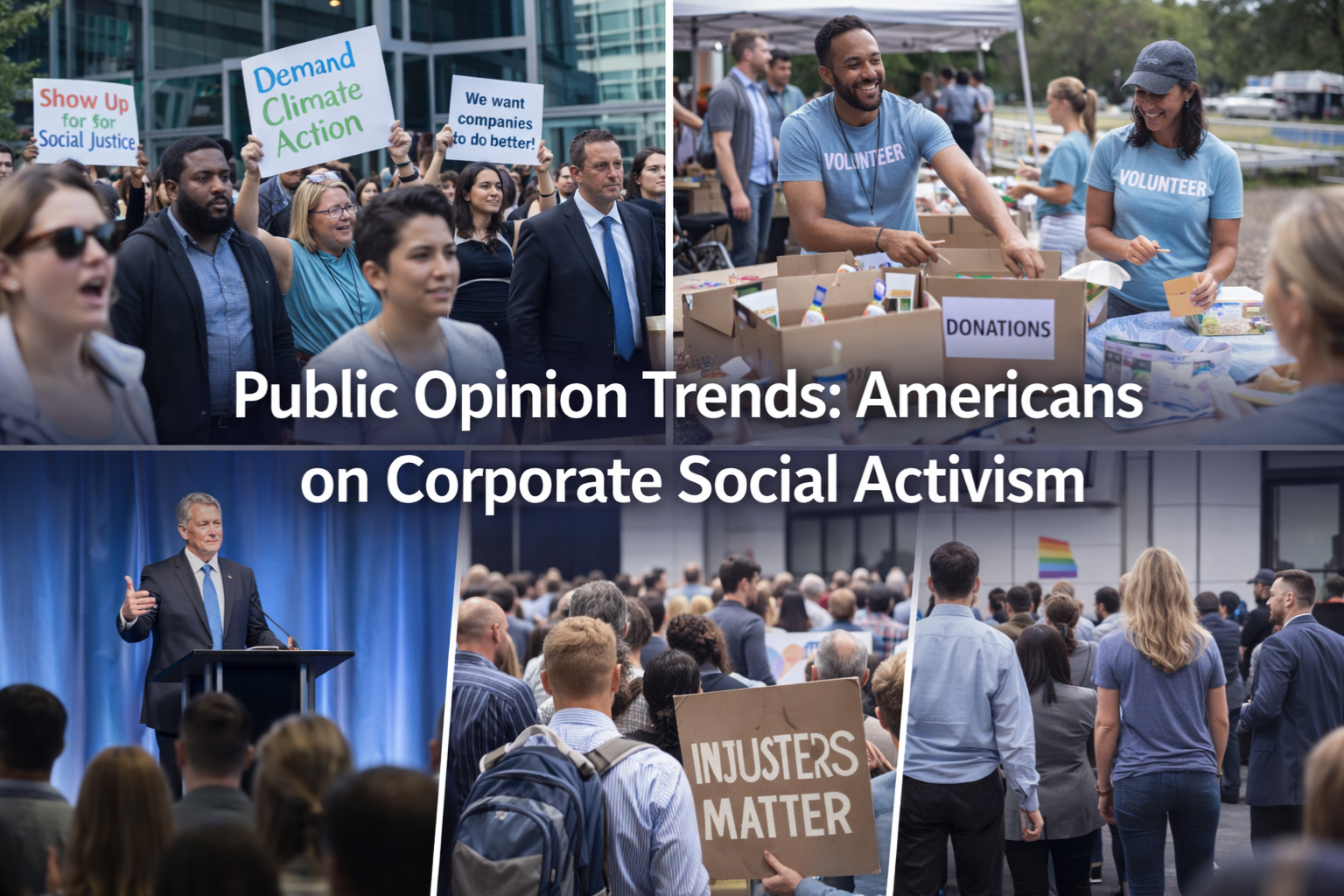

Corporate social activism has become a major topic in the United States, with companies increasingly speaking out on social, political, and environmental issues. From climate change and diversity to human rights and public policy, businesses are taking stronger public positions than ever before. However, public opinion on this trend remains mixed.
Many Americans support companies that promote positive social change. Consumers often prefer brands that reflect their personal values and take responsibility beyond making profits. Younger generations, especially Millennials and Gen Z, are more likely to expect companies to address issues such as environmental protection, equality, and community support.
Supporters believe corporate activism can help create real change. Large companies have financial resources, global influence, and strong public visibility. When businesses support important causes, they can raise awareness, encourage action, and influence policy discussions.
At the same time, not everyone agrees with companies becoming involved in social issues. Some Americans believe businesses should focus only on providing products, services, and jobs. They argue that political or social involvement can divide customers and distract companies from their main purpose.
Public trust plays a major role in how people respond. When companies take action that aligns with their business practices, consumers are more likely to support them. For example, a company promoting environmental protection while also reducing its own pollution is seen as more credible. However, if a company’s actions do not match its statements, people may view it as insincere.
Corporate social activism can also affect brand reputation. Positive efforts can strengthen customer loyalty and attract new audiences. On the other hand, controversial positions can lead to criticism, boycotts, or loss of customers who disagree.
Social media has made corporate activism more visible. Companies can quickly share their views and campaigns online, reaching millions of people instantly. However, social media also allows the public to respond immediately, making corporate decisions more open to scrutiny.
Business leaders are now more careful when choosing which issues to support. Many companies focus on causes related to their industry, employees, or customers. This approach helps maintain authenticity and reduces the risk of backlash.
Overall, public opinion in America shows a balance between support and caution. While many people appreciate companies taking responsibility, others prefer businesses to remain neutral. As social expectations continue to evolve, corporate social activism will likely remain an important and sometimes controversial part of modern business.
The future of corporate activism will depend on how companies balance profit, responsibility, and public trust in an increasingly connected world.